
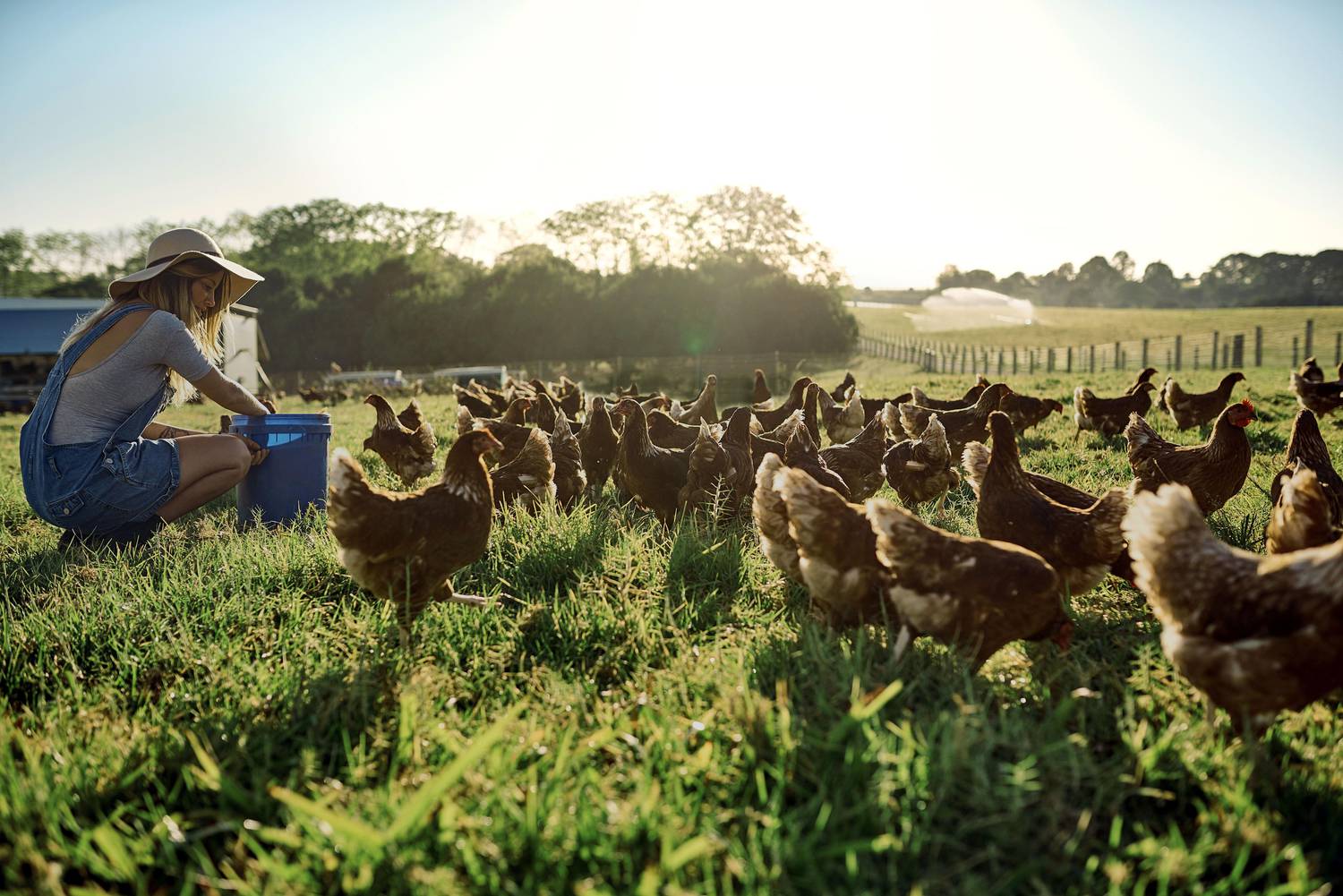
The 5 most common beginner mistakes in mobile chicken keeping
Mobile chicken keeping offers great flexibility and makes it possible to build a modern egg production system based on animal welfare. More and more farms are choosing mobile chicken houses, as they see them as an opportunity for growth and greater independence.
At the same time, the early stages of mobile chicken keeping in practice often differ significantly from theoretical expectations. Even small details can have a major impact on animal welfare, the workload of the farm manager, and egg quality.
Based primarily on the experiences of our customers, we have compiled some of the most common mistakes and situations that occur at the beginning of mobile chicken keeping.
Late adjustment of the chickens to the mobile housing system.
In mobile poultry farming, the right timing for moving pullets into the final housing system is of great importance. Many breeders only do this once the flock has already reached a high laying performance, which often makes the later operation of the entire “system” more difficult.
One of our customers pointed out that it has proven best to place the hens at around 18 weeks of age. This gives the birds time to calmly acclimatize to the new environment before entering peak laying performance, which typically reaches about 50% around the 20th to 21st week.
During this period, the hens learn in particular:
- to use the nesting boxes,
- to move around the chicken coop,
- the layout of drinkers and feeders,
- the daily routine of the entire flock.
If the hens are introduced to the mobile copp too late, usually once they are already fully mature and laying, problems with eggs being laid outside the nests occur more frequently. The birds quickly become accustomed to their earlier habits, and it becomes more difficult to change them later.
Therefore, the correct timing for housing the flock has a major impact not only on the farmer’s workflow, but also on animal welfare and the later quality of production.
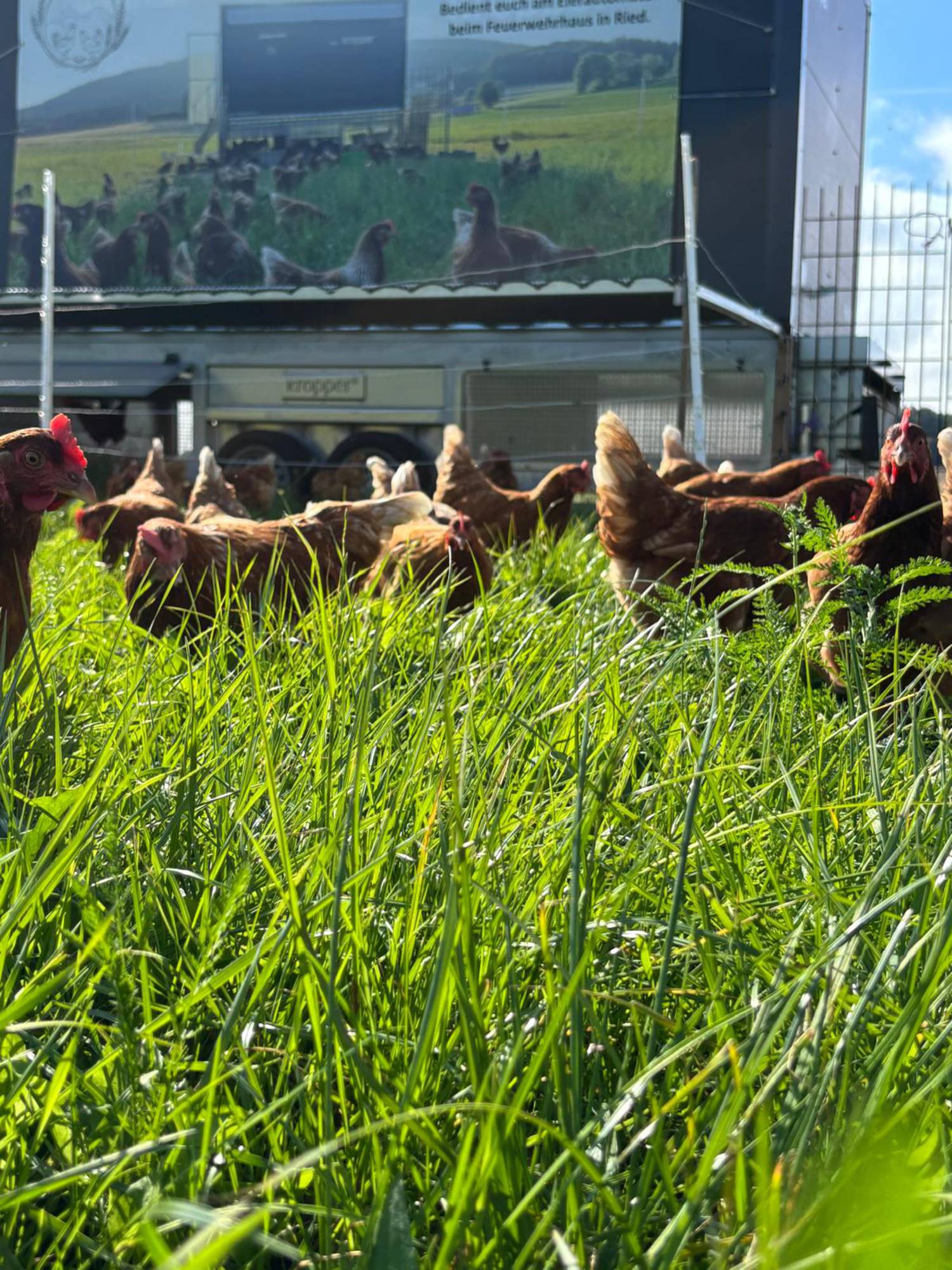
Improper setup of the feeding system
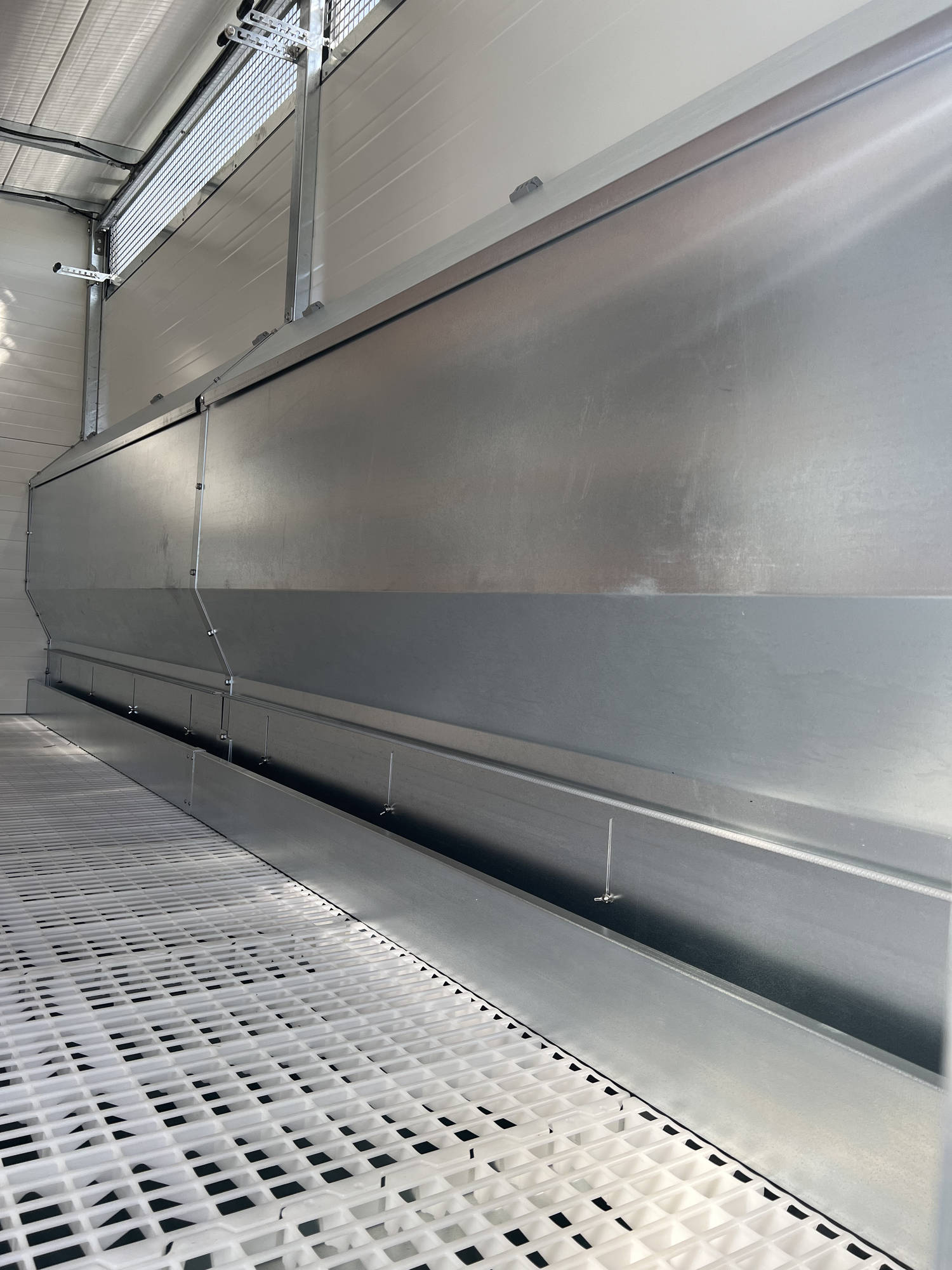
In mobile poultry farming, daily details related to feeding the flock play a major role. Many beginners focus mainly on feed quality, while neglecting the correct adjustment of the feed level in the troughs.
This is exactly where the first avoidable losses often occur.
Incorrectly adjusted feeders can cause the following problems:
• feed spillage, which increases feed use,
• more cleaning required in the coop,
• higher flock maintenance costs.
A common cause is too high feed level in the troughs or incorrect adjustment of the feed height. The hens then start selecting feed and scattering it outside the troughs.
Even though it may seem like a minor detail, in larger flocks even small daily losses can lead to noticeable costs.
Too early access to the outdoor range for the hens.
Another common mistake is letting hens out into the outdoor range too early after they have been moved into the new coop.
Hens need time to adapt to their new environment, the nesting boxes, and the overall housing conditions. If they are given immediate access to the outdoor run, behavioural issues may occur, and eggs may be laid outside the nests.
In practice, it has proven very effective to keep the hens inside the henhouse exclusively during the first few days:
“After placing the hens, we did not let them outside for a few days so they could get used to the chicken coop. Very quickly they started laying eggs in the nests, and thanks to that we had very few eggs laid outside the nests,” said a farmer who has been using our hen house for over a year.
This shows how important the first days after the start of rearing are. In practice, a well-managed initial phase often leads to fewer problems in the following weeks.
Poor nest hygiene
The quality and cleanliness of eggs depend primarily on the conditions in the laying nests. This area is often underestimated at the beginning, but in practice it has a very significant impact on the final result of the entire process.
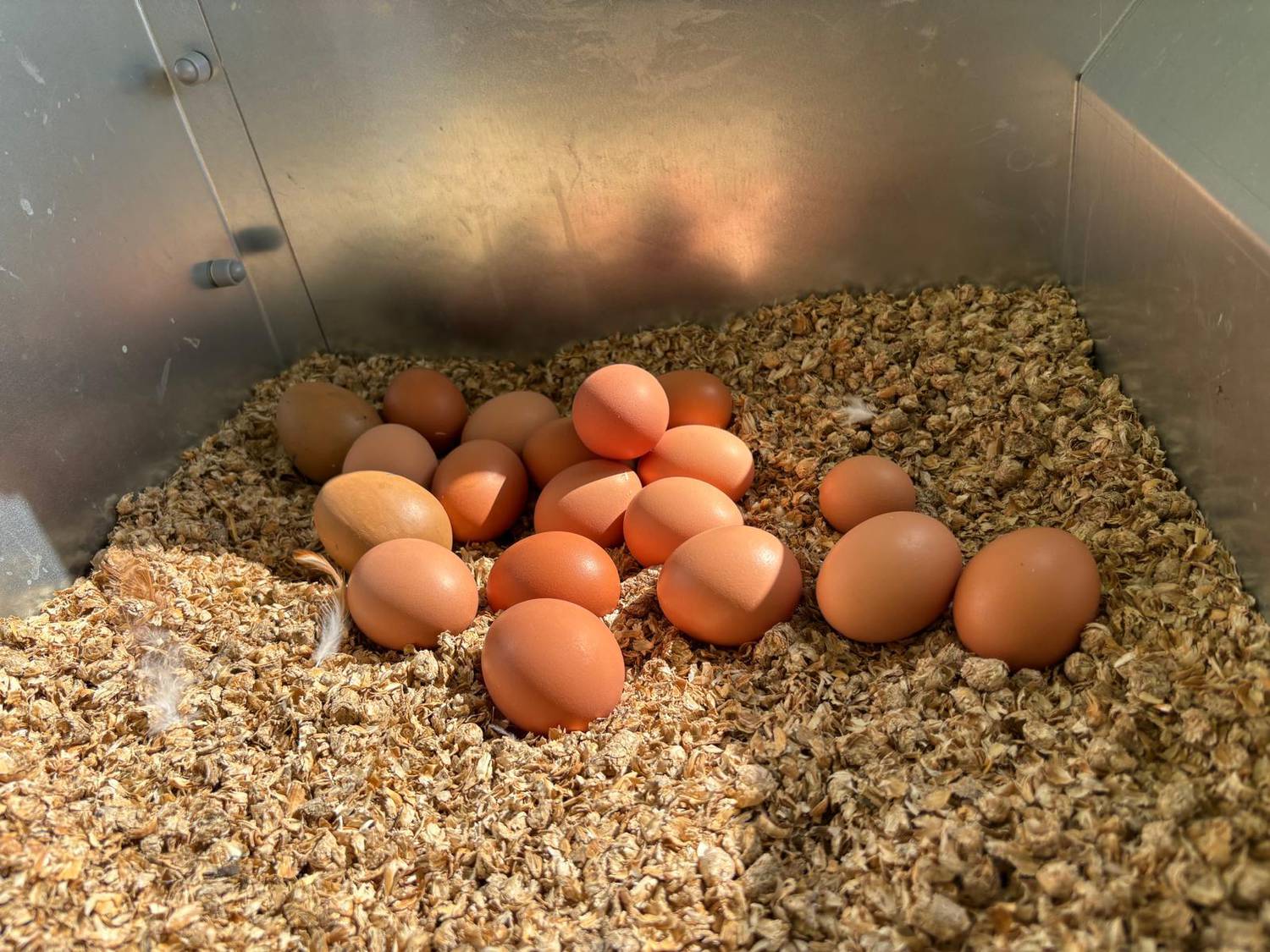
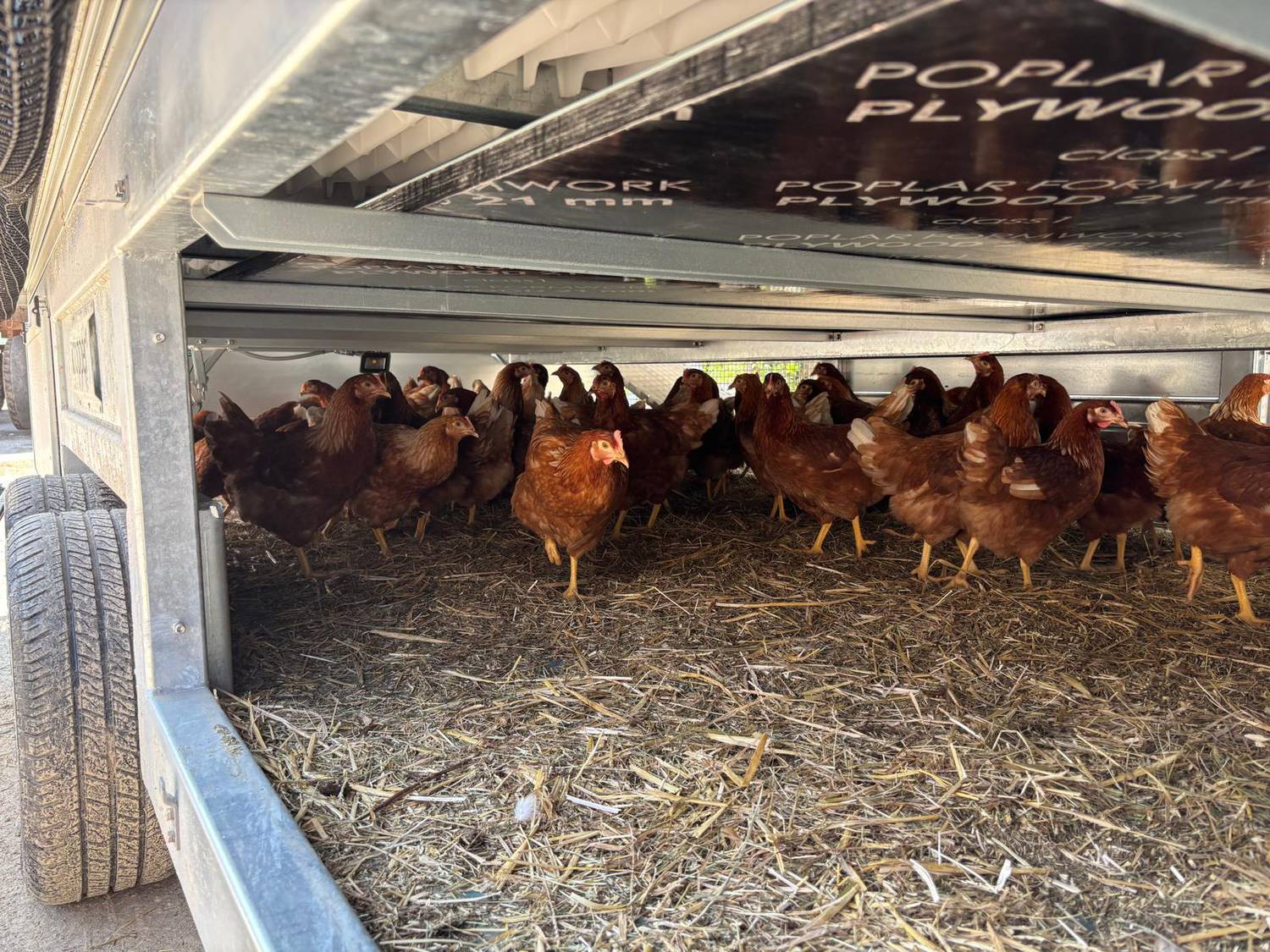
First of all, the cleanliness of the lower level of the henhouse is particularly important. Regularly adding fresh bedding for scratching has a major influence on the cleanliness of the hens – especially their claws – as well as on the eggs themselves. There, the hens naturally clean their claws before moving to the upper level and then into the laying nests. Well-maintained bedding therefore significantly reduces contamination throughout the entire henhouse.
Especially in humid or rainy weather, the risk of soiling increases rapidly. If the bedding in the nests and on the lower level of the henhouse is not regularly topped up or replaced, the eggs may become soiled more often, which can lead to significant losses.
In practice, the following points are particularly crucial:
• regular replenishment of bedding material in the nests – to a height of about 6–8 cm,
• maintaining a dry and clean environment on the lower level of the henhouse,
• quick response to worsening conditions (e.g. after rainfall).
In many farms, spelt husks have proven to be very effective, as they help maintain egg cleanliness and improve the comfort of nest use.
At the same time, it has been shown that under particularly humid conditions, nests with egg-rolling systems should also be considered, as they further reduce the eggs’ contact with contaminated surfaces. An important role is also played by easy-to-clean mats used in such nesting systems.
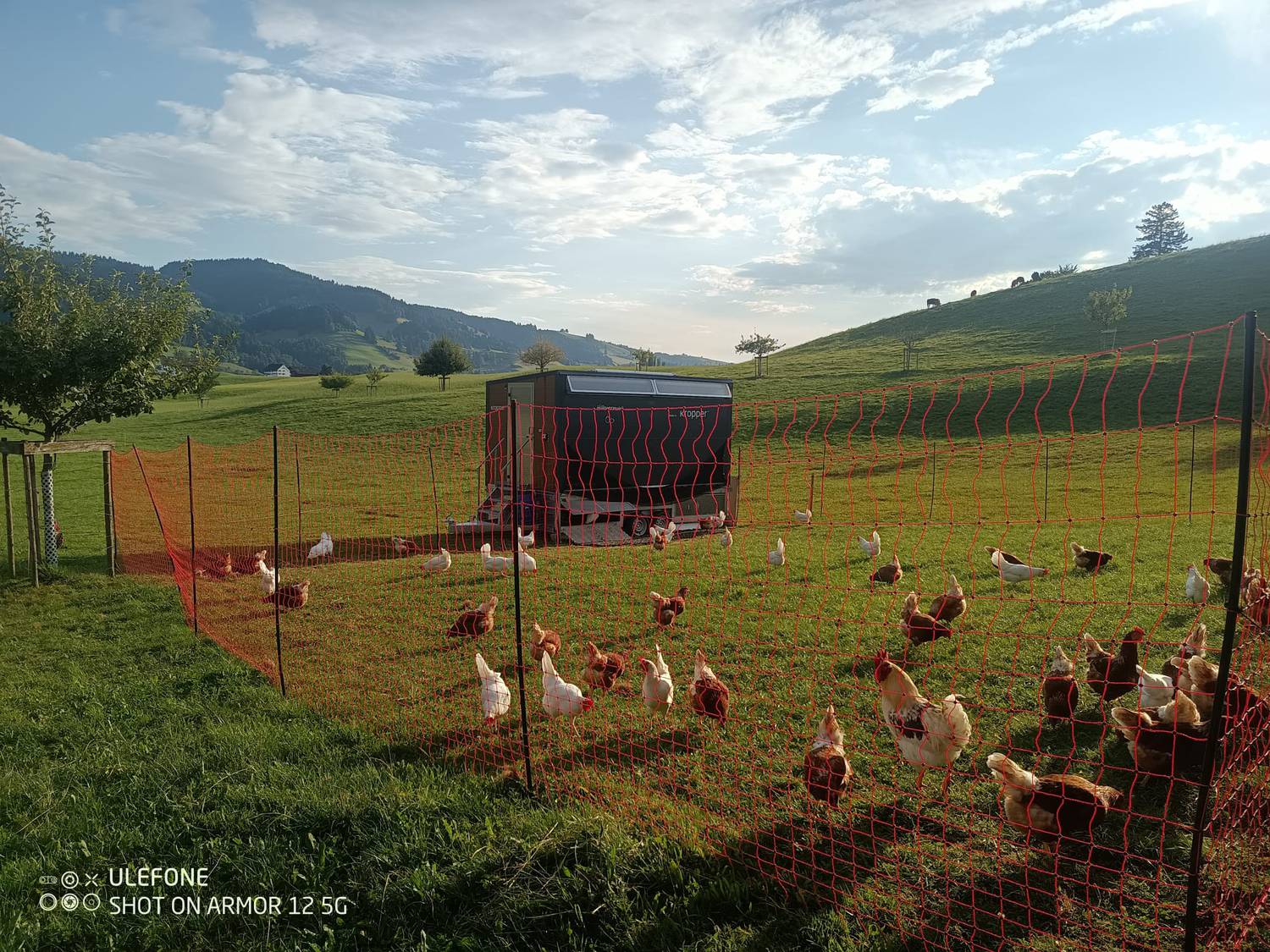
Insufficient number of shelter structures in the outdoor run.
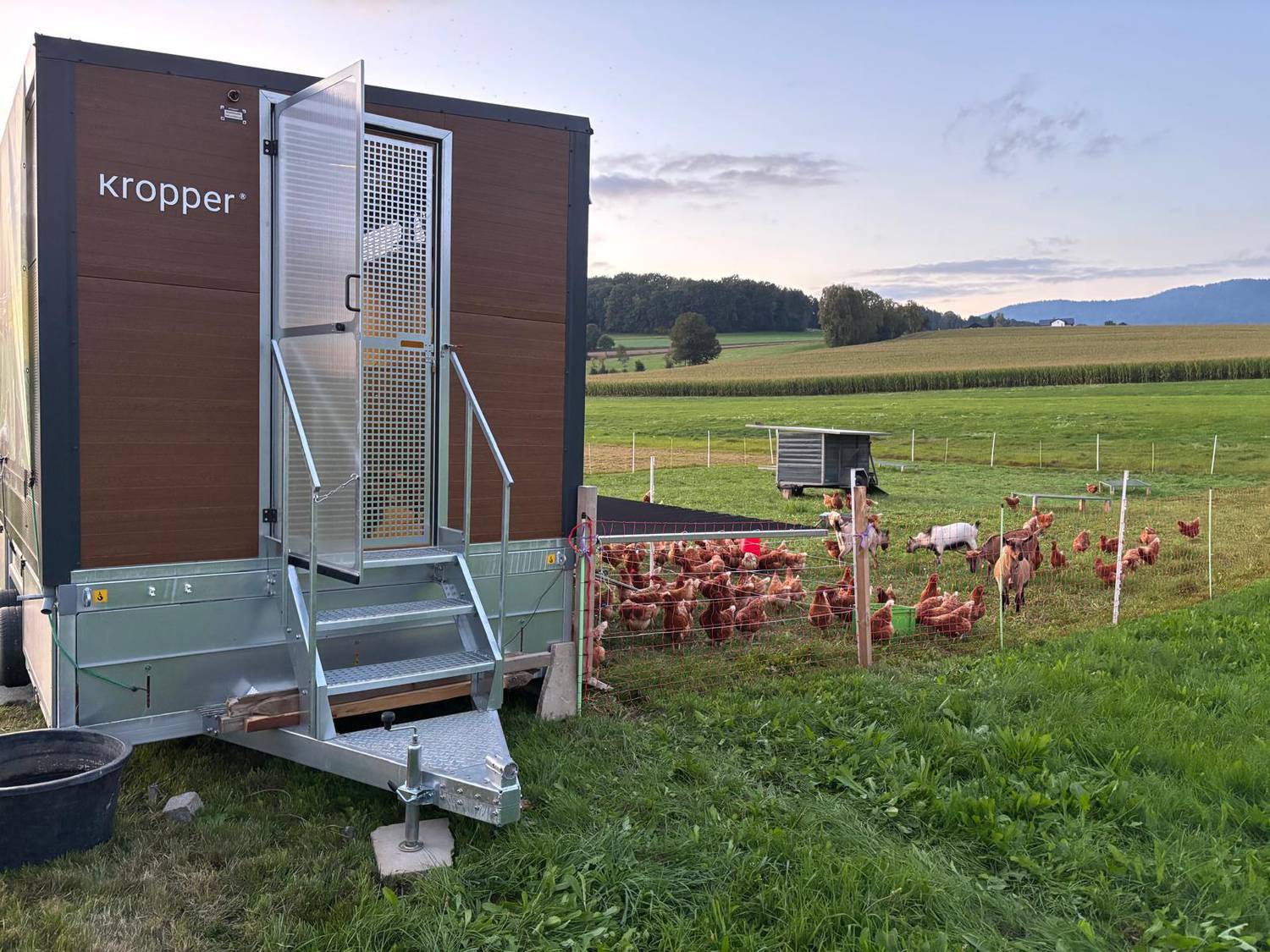
One of the most frequently overlooked aspects in planning mobile poultry farming is the proper design of the outdoor run in terms of providing natural shelter for the hens.
Many beginners focus primarily on the henhouse itself and the fencing, forgetting that the birds in the run need places where they feel safe and can rest without disturbance.
A lack of sheltered areas can lead to the following problems:
• increased stress within the flock,
• less even use of the entire outdoor run,
• greater vulnerability to predator attacks,
• anxiety and more frequent clustering of hens in one place.
Shelter options in the outdoor run can take various forms – low trees and shrubs, special shelters, or elements that provide shade and hiding places.
On one farm, after some time, a problem occurred with a bird of prey attacking the flock. As the farmer himself noted:
“At that time, there were too few hiding places in the run, and the predator had young, which further increased its hunting activity.”
As a result, part of the flock was lost, which showed how important proper design of the area outside the henhouse is.
A well-designed outdoor run is not only an exercise area, but also an environment in which the animals feel safe.
Mobile poultry farming offers great opportunities, but in practice its success depends above all on a good start and on small, everyday decisions. Especially at the beginning of the mobile henhouse journey, mistakes occur most frequently, and they are later difficult to correct, affecting both work organization and production results.
As experience from poultry farmers shows, key factors include a calm acclimatization of the flock, proper preparation of the outdoor run, and bringing the hens into the henhouse at the right time.
Although each of these elements may seem simple on its own, it is their interaction that ultimately creates a well-functioning system.

