Parasites in chickens: Where do they come from, how can you recognize them, and how can you reduce the risk?
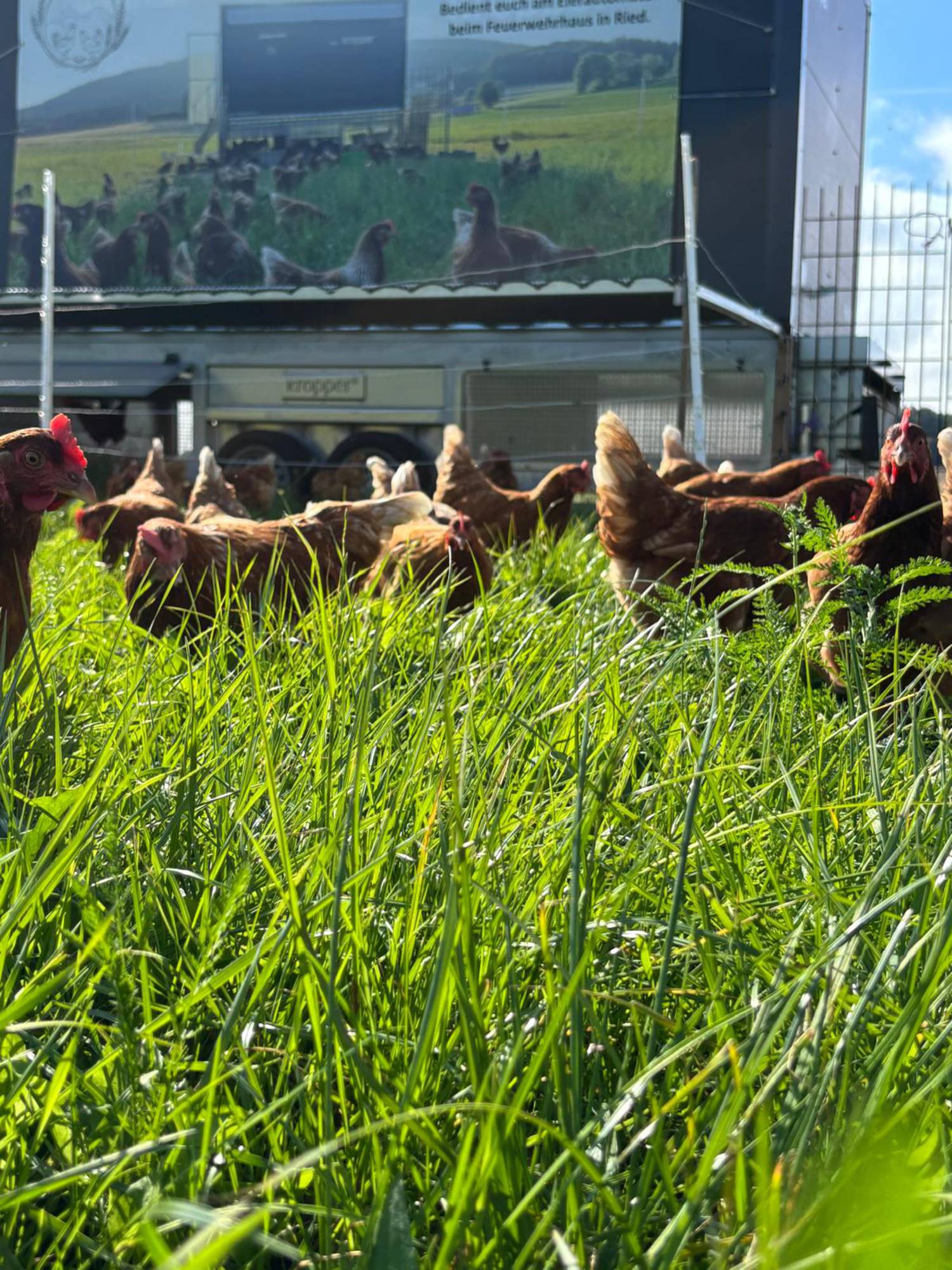
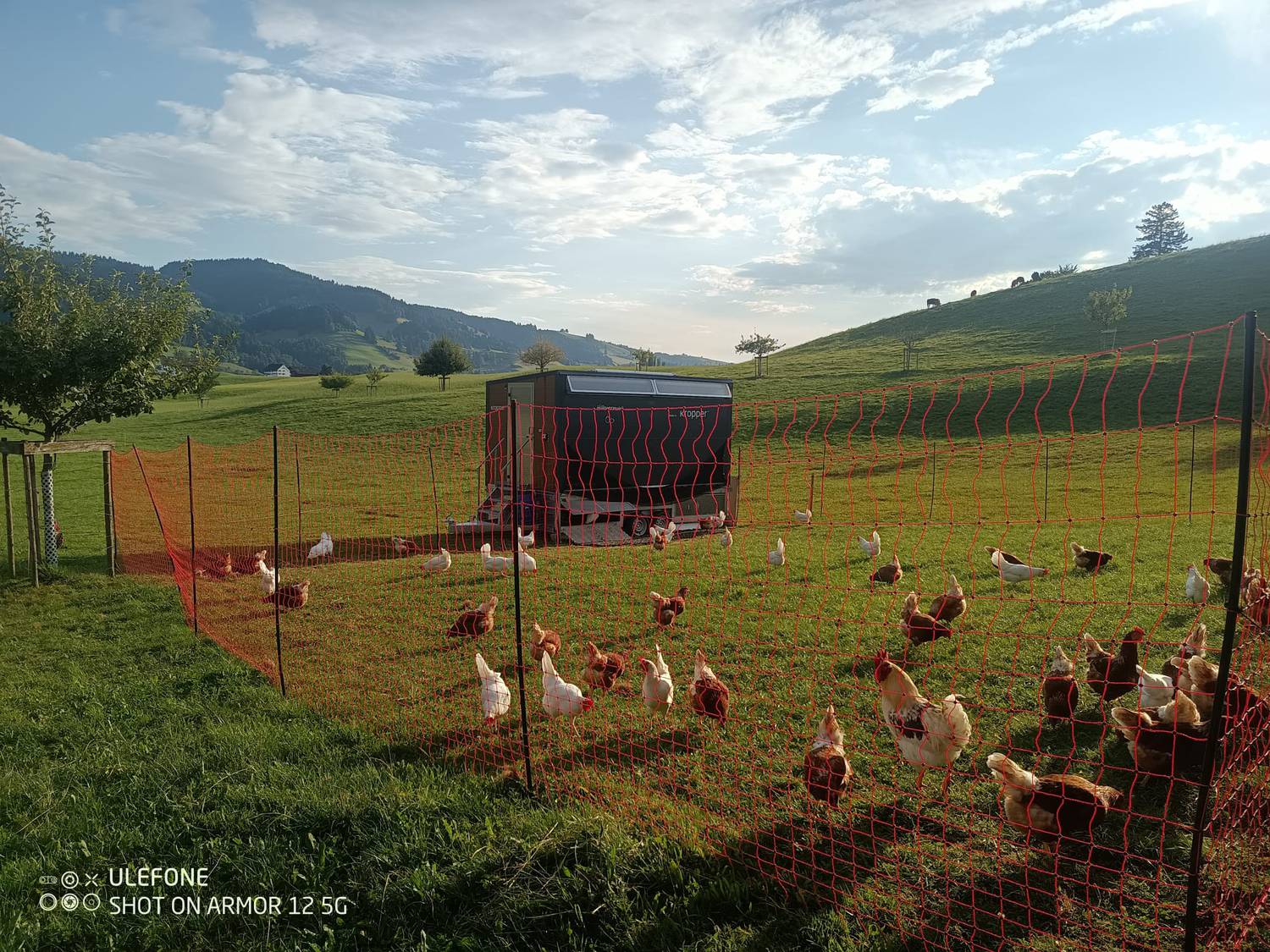
Chickens with access to an outdoor run spend much of their day scratching in the soil, pecking at grass, or eating insects and earthworms – behaviors that are completely natural for them. At the same time, constant contact with the ground means that birds are more exposed to parasites, which are very difficult to eliminate completely in free-range systems.
However, this does not mean that we are powerless against them. Good hygiene, regular monitoring of the flock, and proper management of the outdoor run can significantly reduce the risk of infection. That is why it is worth knowing where parasites come from, which symptoms should raise our concern, and what we can do to make it more difficult for them to spread throughout the flock.
Where do parasites in chickens come from?
Internal parasites found in poultry include coccidia and various types of parasitic worms, such as roundworms, hairworms, and tapeworms. For chickens with access to an outdoor run, completely preventing contact with parasites is very difficult in practice, as the birds come into daily contact with soil, vegetation, and droppings.
One of the main routes of infection is the so-called fecal-oral transmission cycle. An infected bird sheds parasite eggs in its droppings, which then enter the litter or soil. Other chickens may ingest them while scratching and pecking at the ground. If the flock remains on the same area for an extended period, this cycle can repeat itself, increasing the risk of reinfection.
For some parasites, intermediate hosts can also be a source of infection, including snails, earthworms, and insects. Chickens may eat these while foraging in the soil. Therefore, prevention is not limited to maintaining good hygiene in the chicken coop – proper management of the outdoor run is equally important.
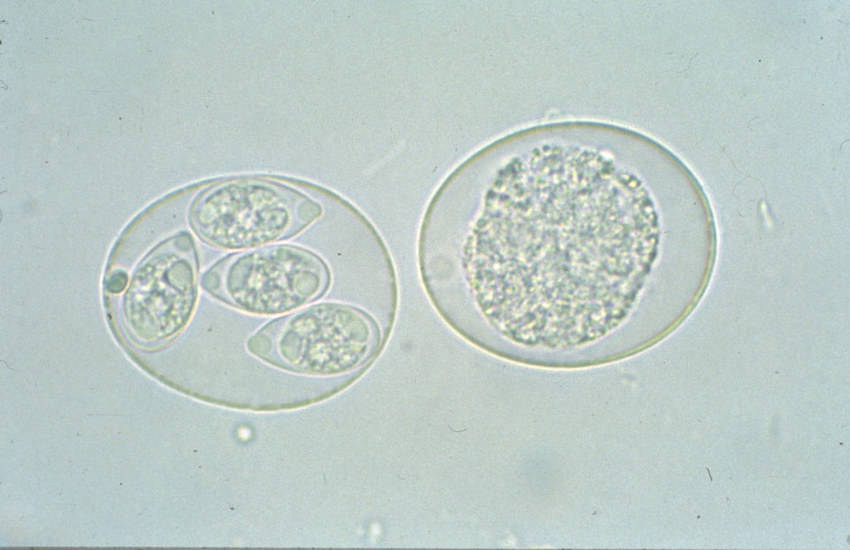
Source: Swedish Veterinary Institute (SVA)
How can you recognize parasites in chickens?
The presence of parasites does not always cause immediate or easily noticeable symptoms. As a result, chickens with a mild infestation may continue to behave normally for quite some time. It is only as the number of parasites increases that signs of deteriorating condition may appear, such as weight loss, lethargy, reduced appetite, diarrhea or changes in the appearance of droppings, poor feather condition, a pale comb, or a decline in egg production.
It is important to remember, however, that none of these symptoms is specific to parasitic infections. Similar signs can also occur with many other health problems.
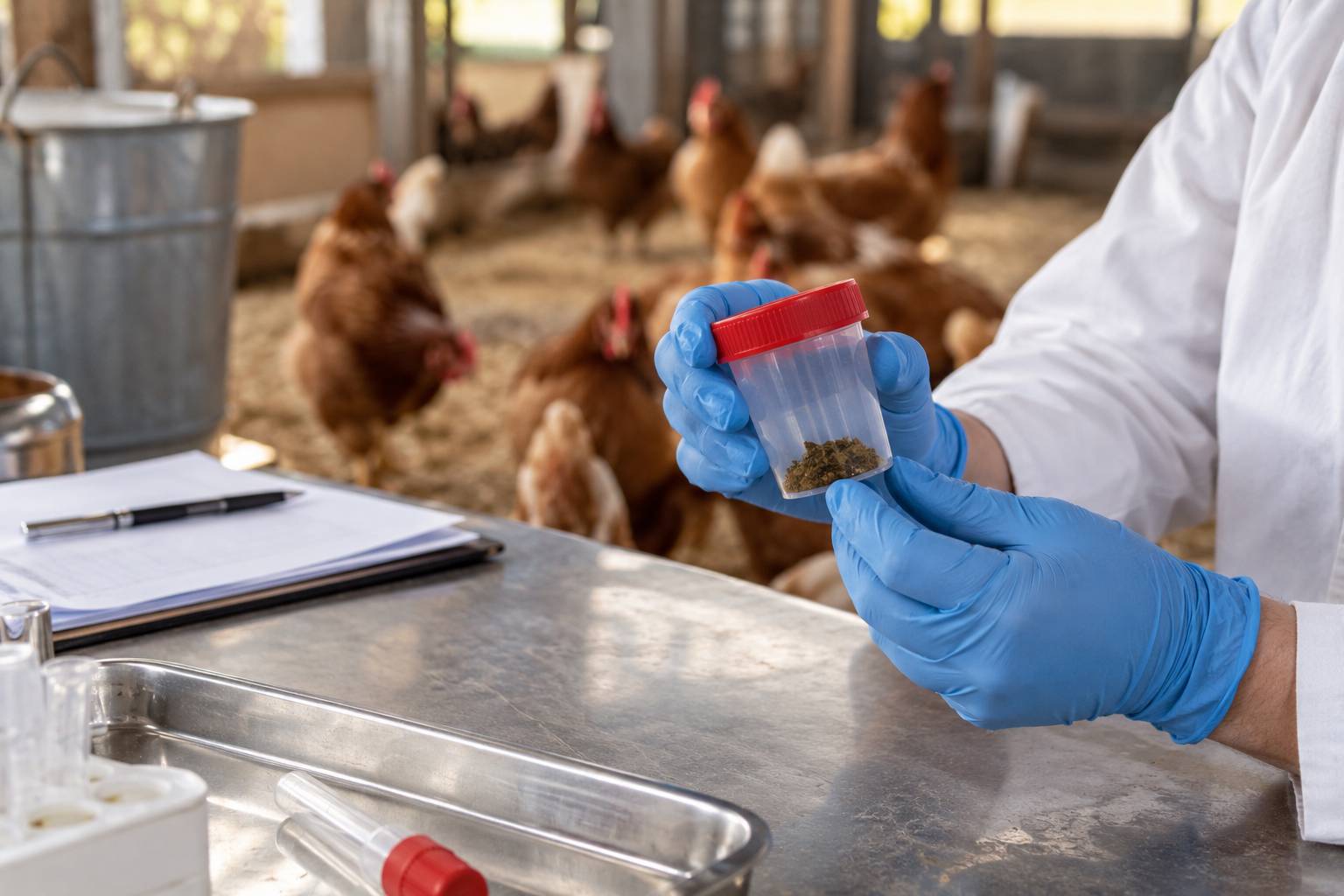
Therefore, rather than assuming that worms are the cause of a decline in condition, it is advisable to have a fecal examination carried out. This can help confirm the presence of parasites and determine what type of problem is involved. Further treatment or management should preferably be discussed with a veterinarian.
Deworming alone is not enough
If an examination confirms the presence of parasites, appropriate treatment may be necessary. However, deworming alone does not always solve the problem in the long term. If the birds return to a heavily contaminated area after treatment, infectious parasite stages remaining in the environment can cause the problem to recur.
For this reason, prevention should focus both on maintaining the health of the birds and on reducing the number of parasites in their environment. Regular removal of droppings, keeping the litter clean and dry, maintaining good hygiene around feeders and drinkers, keeping an appropriate number of chickens in the flock, and limiting damp or muddy areas are basic measures that can help provide better conditions for chickens.
Why can the same outdoor run become a problem over time?
If a flock uses the same relatively small area for many months, the level of environmental contamination can gradually increase, which may contribute to the persistence of infections within the flock.
The more heavily used a particular part of the outdoor run is, the harder it becomes for birds to avoid contact with contaminated soil. Particular attention should be paid to areas where chickens spend most of their time, especially around the coop, feeders and drinkers, as well as damp and shaded parts of the run.
Why rotating outdoor areas can help prevent parasites
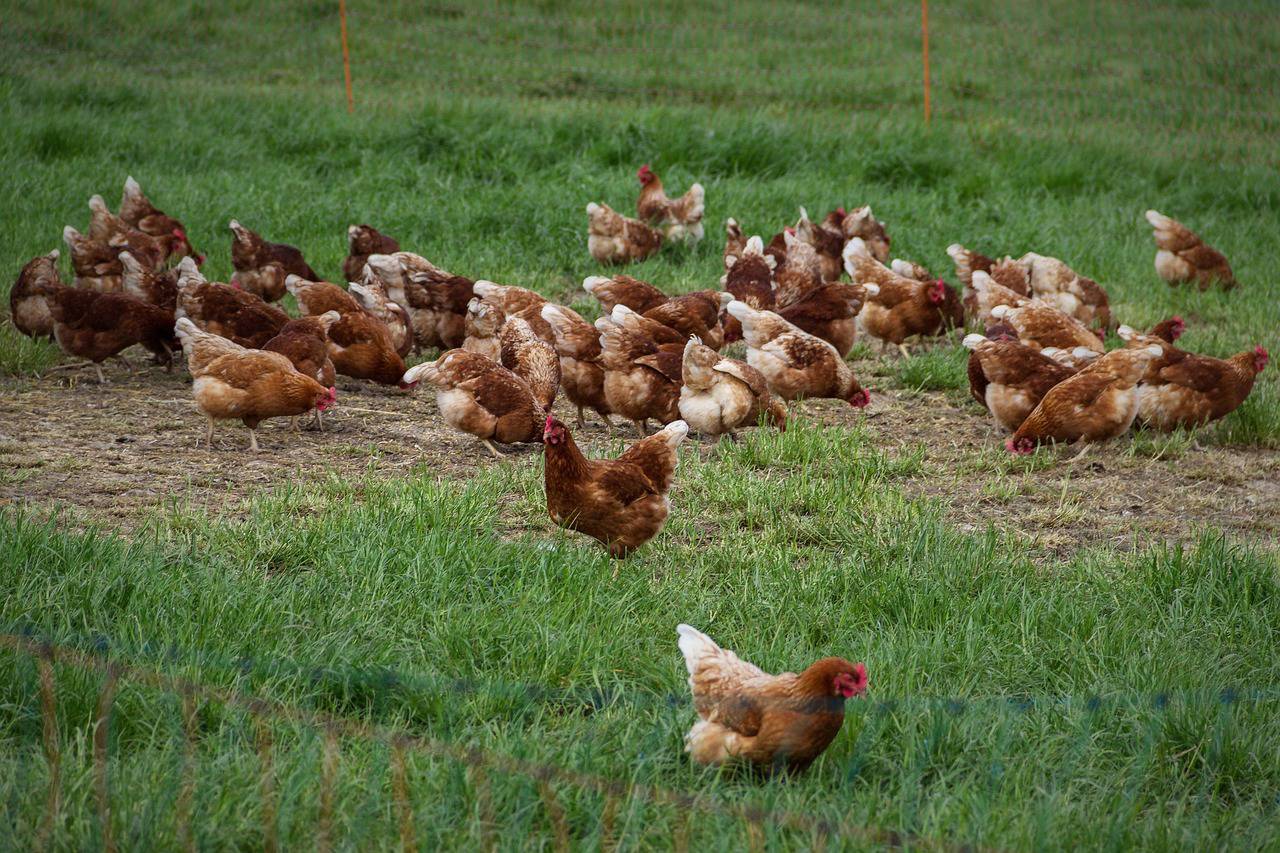
One possible solution to this problem is rotating the outdoor run. This involves periodically moving the flock to another part of the available area and leaving the previously used section without birds for a certain period of time.
Rotating the areas reduces the chickens’ contact with the most heavily contaminated parts of the run, while also allowing the vegetation to recover and helping the available space to be used more evenly. However, this does not mean that parasites will automatically disappear when the flock is moved to a different area – their developmental stages can survive in the environment for extended periods. Nevertheless, rotating outdoor areas can help reduce the risk of repeated infections.
Using a mobile chicken coop to support outdoor run rotation
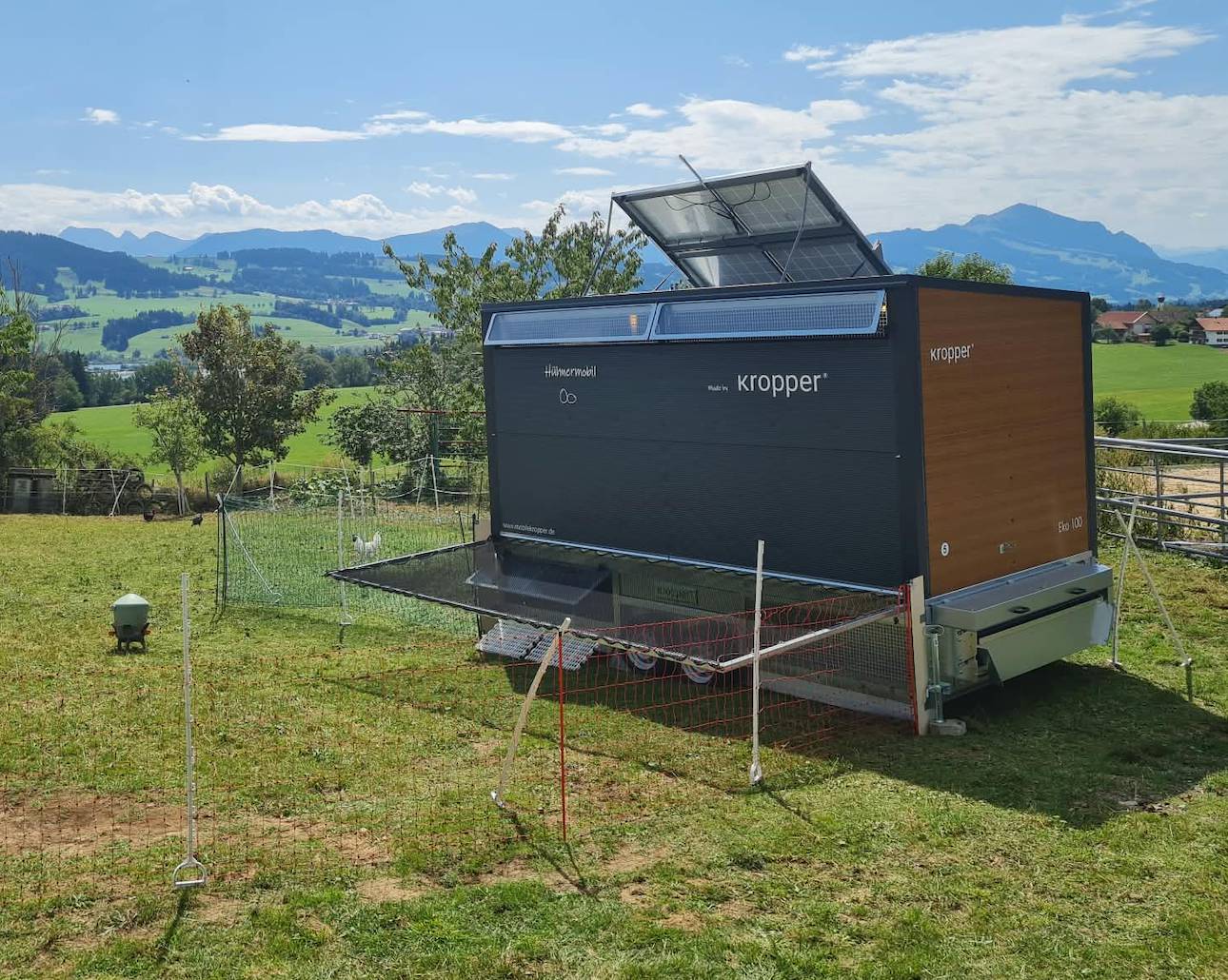
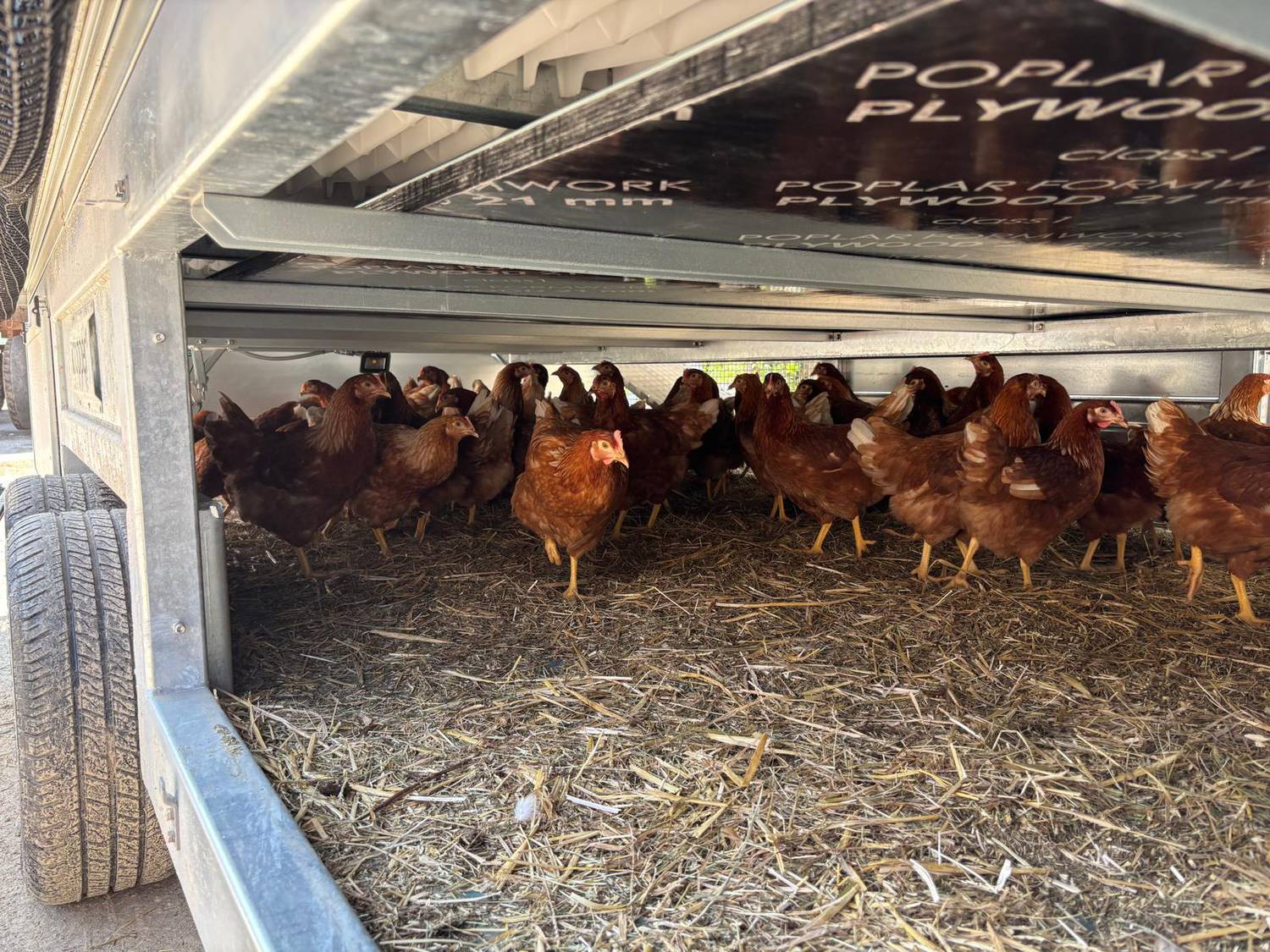
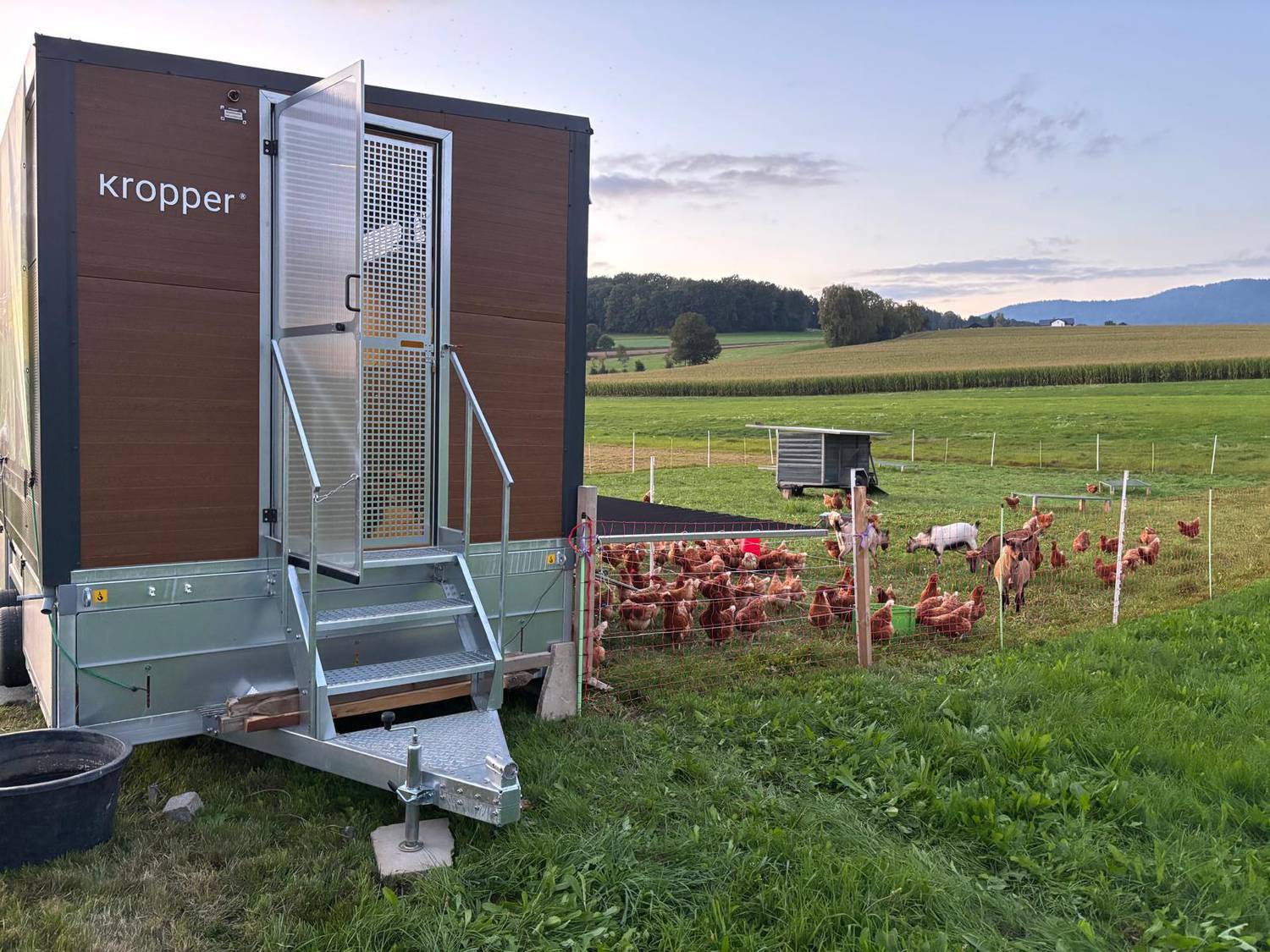
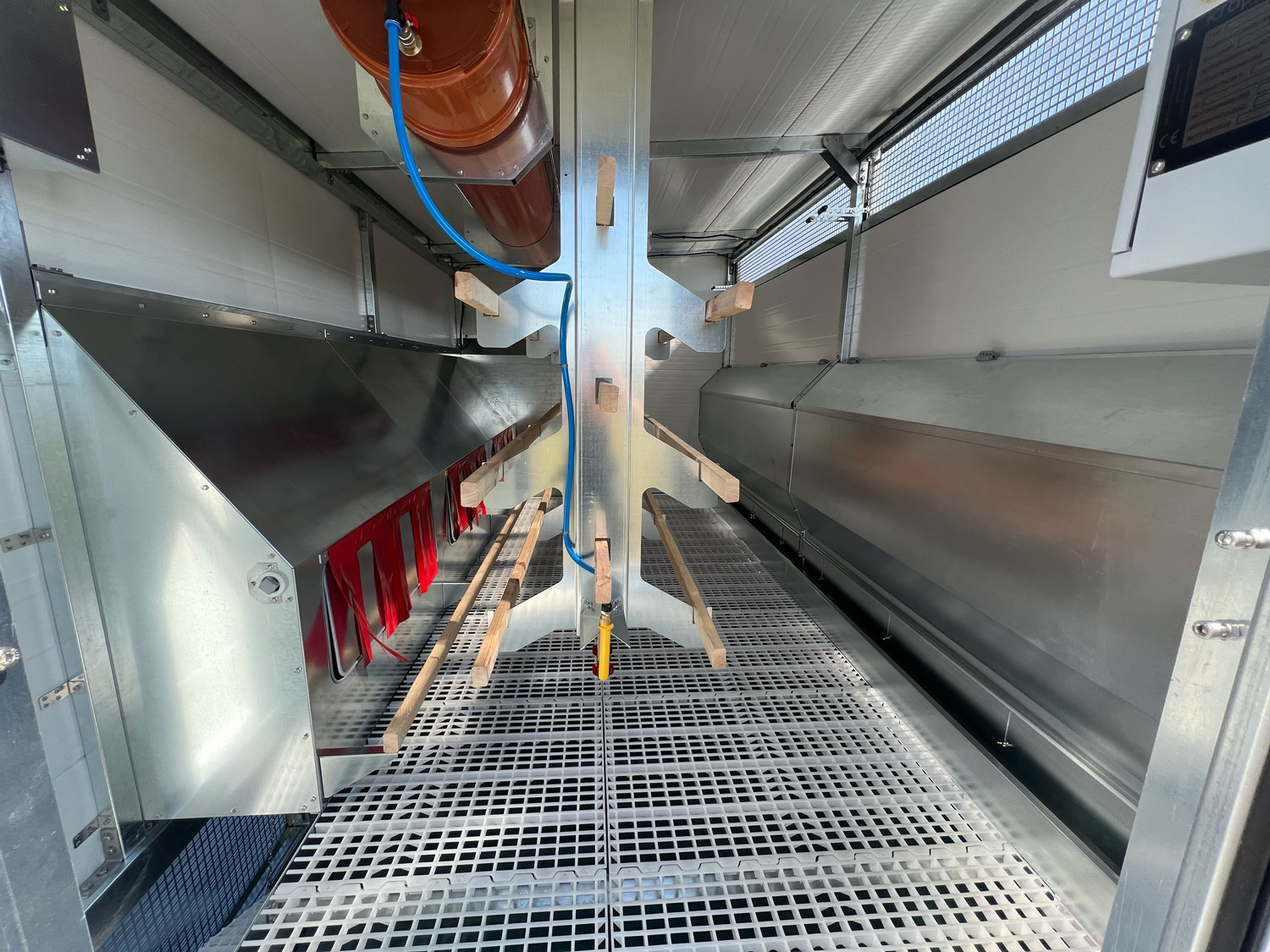
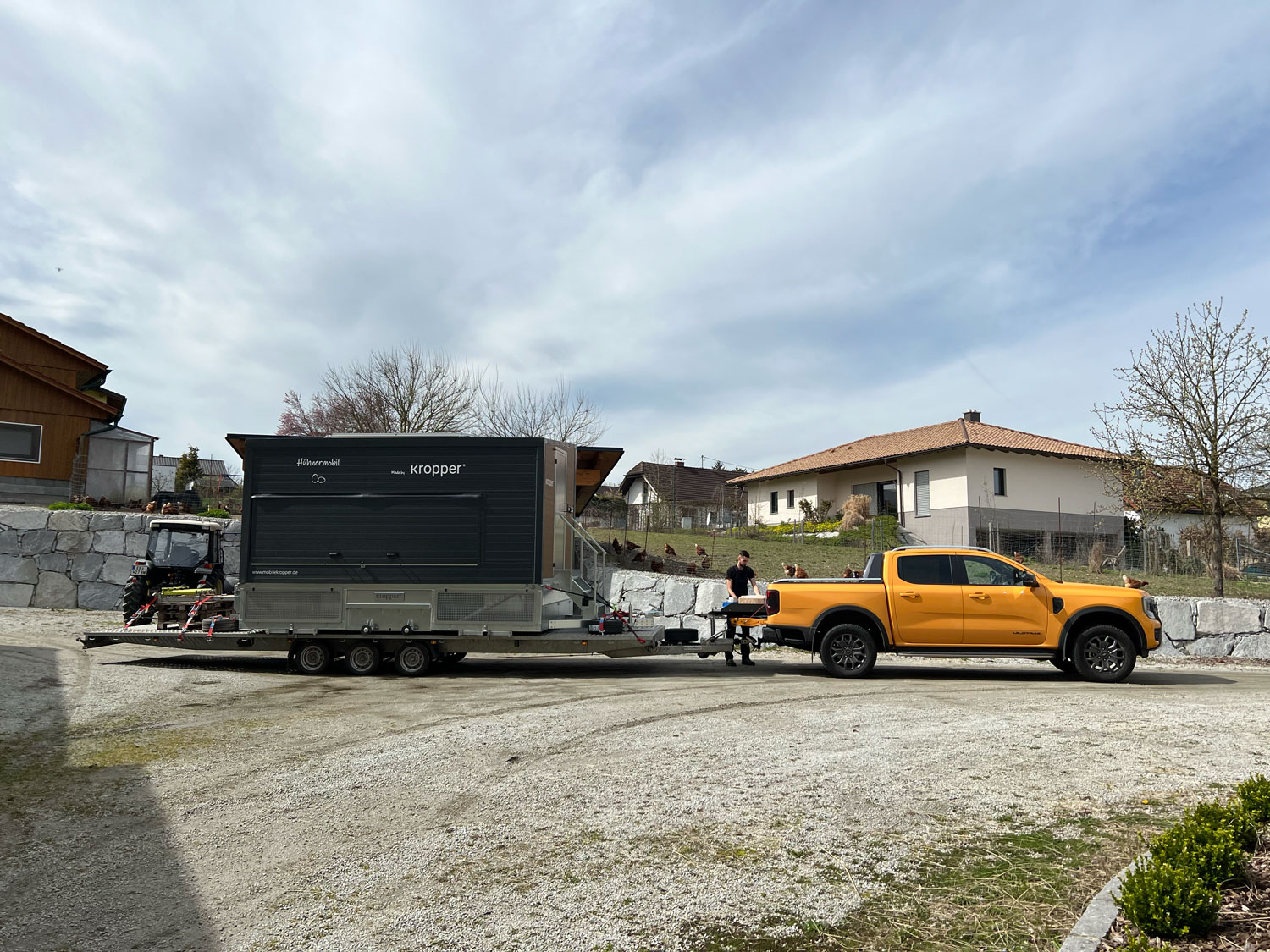
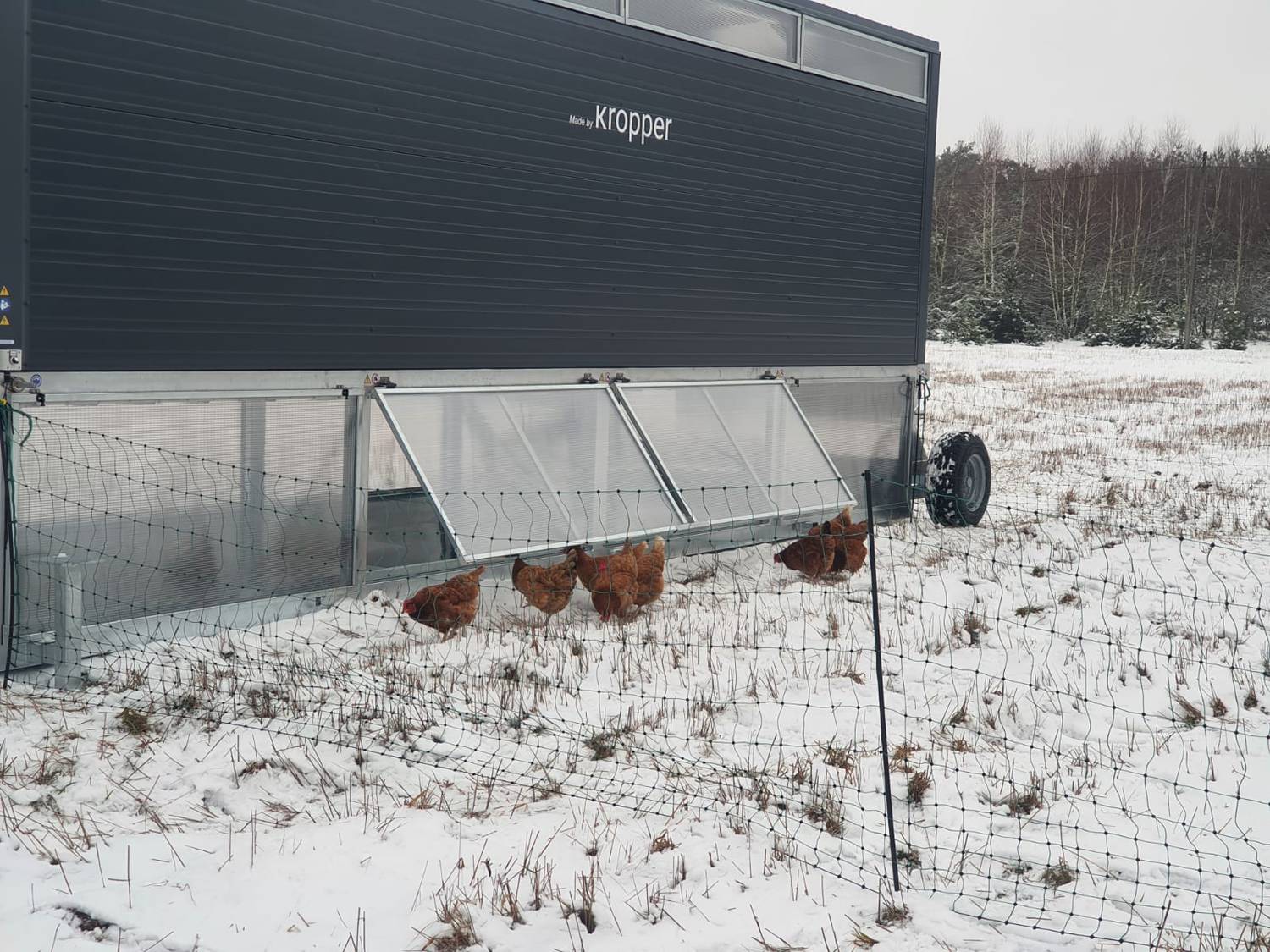
In practice, implementing the rotation described above can be difficult or even impossible if the chicken coop remains permanently in one location. A mobile structure makes it easier to move the entire flock to different parts of the area without having to move the chickens away from the coop.
This allows a previously used section of the outdoor run to remain free of birds for a certain period of time and gradually recover. At the same time, different parts of the area can be used more evenly, helping to reduce excessive pressure on the soil in the immediate surroundings of the coop.
A mobile chicken coop does not eliminate the problem of parasites, but it makes it possible to put outdoor run rotation into practice. Combined with good hygiene, regular flock monitoring, and appropriate diagnostic testing, it can provide practical support for infection prevention.
As mentioned above, treatment can improve the health of the chickens, but it does not remove the parasite burden that remains in the environment. If the birds continue to use the same area, the problem may return over time.
A chicken coop that can be moved regularly helps break this cycle and gives previously used sections of the outdoor run time to recover. While mobility does not eliminate parasites completely, it can help reduce one of the key factors contributing to repeated infections: the flock’s continuous contact with the same ground.