What is a mobile chicken house?

A beautiful green meadow, an open space where the chickens dig in the ground in search of worms and grains. This is the image that gets stuck in our heads when we think of happy chickens laying beautiful, healthy eggs. This beautiful sight can be enjoyed every day, and the easiest way to achieve this is to own a mobile chicken coop!

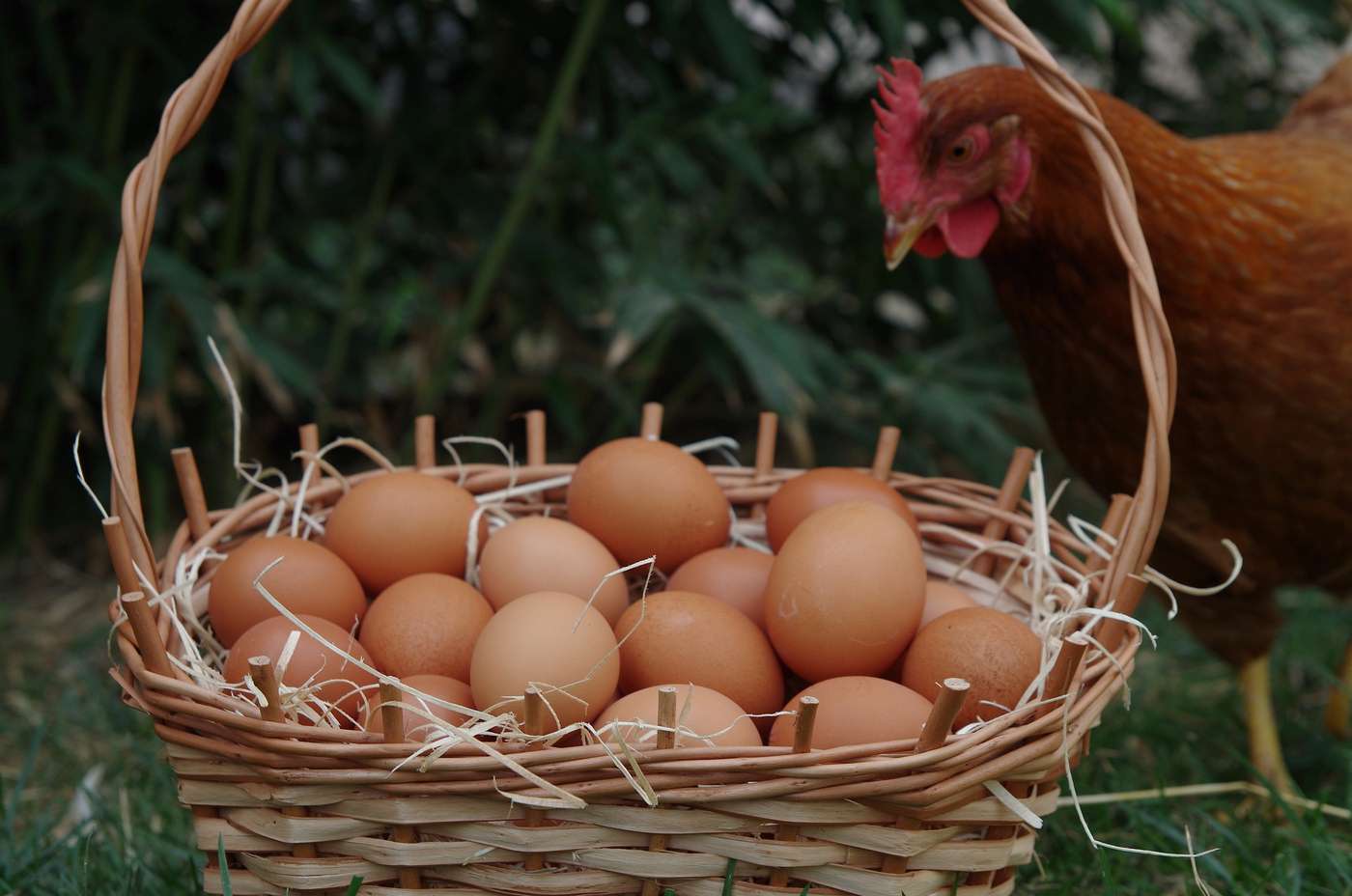
By buying a mobile chicken coop, the farm can gain prestige in the eyes of people who want to know what they are eating. With the right advertising, eggs from chickens from a mobile henhouse can be sold not only in the farm shop but also in supermarkets.  At first glance, it is hard to distinguish an organic egg from a non-organic egg, but the living conditions of laying hens from the two types of farming differ considerably, which affects the taste of the egg and the nutritional values it contains.

Most customers are therefore happy to pay a higher price for the fact that the origin of the agricultural products in particular corresponds to their idea of farming. The farmer himself is also happy if his animals can live without restrictions under the best possible conditions adapted to their needs.

What is a mobile chicken coop, and does it make sense to have one? In this blog post you will find the answers to these very questions.

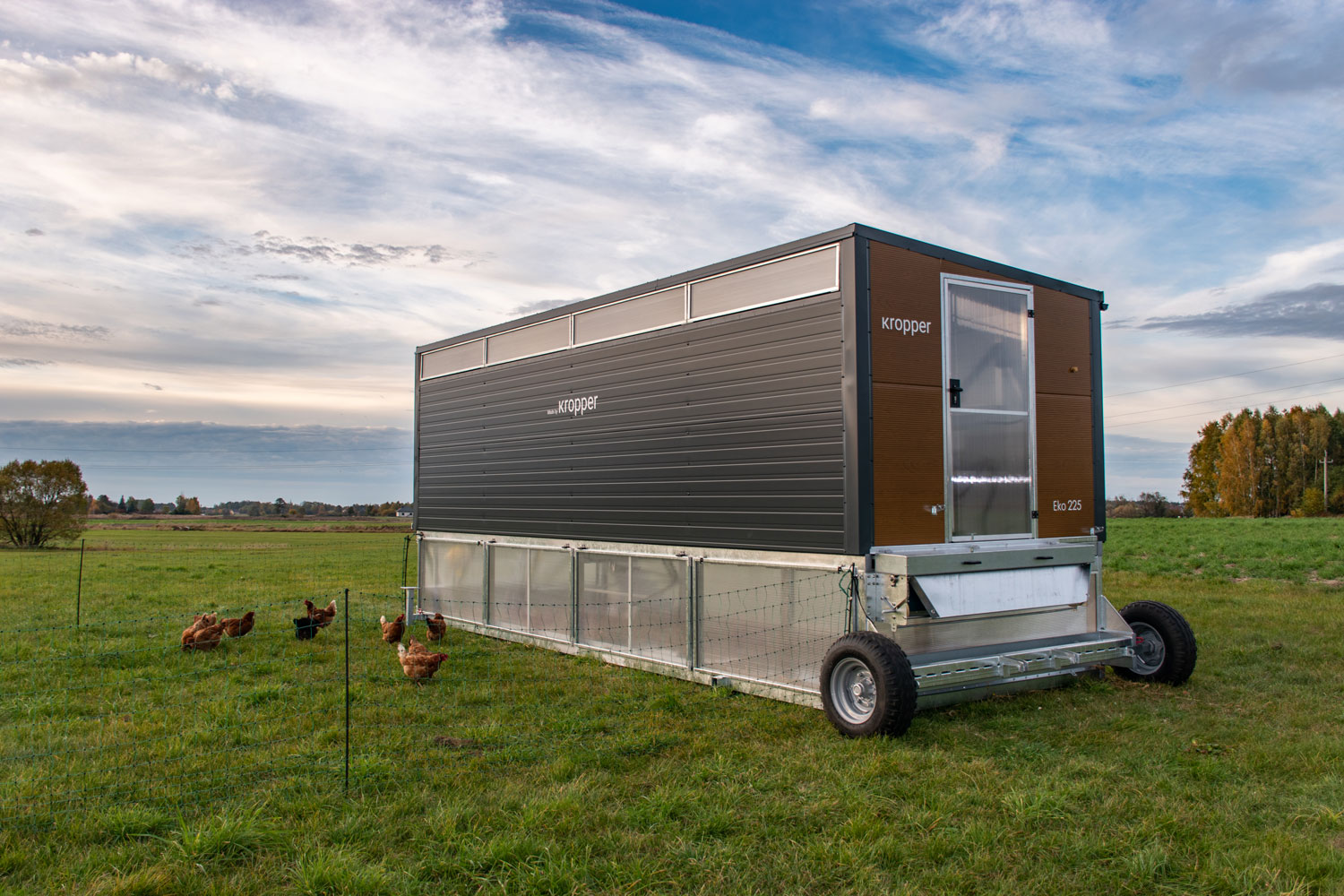
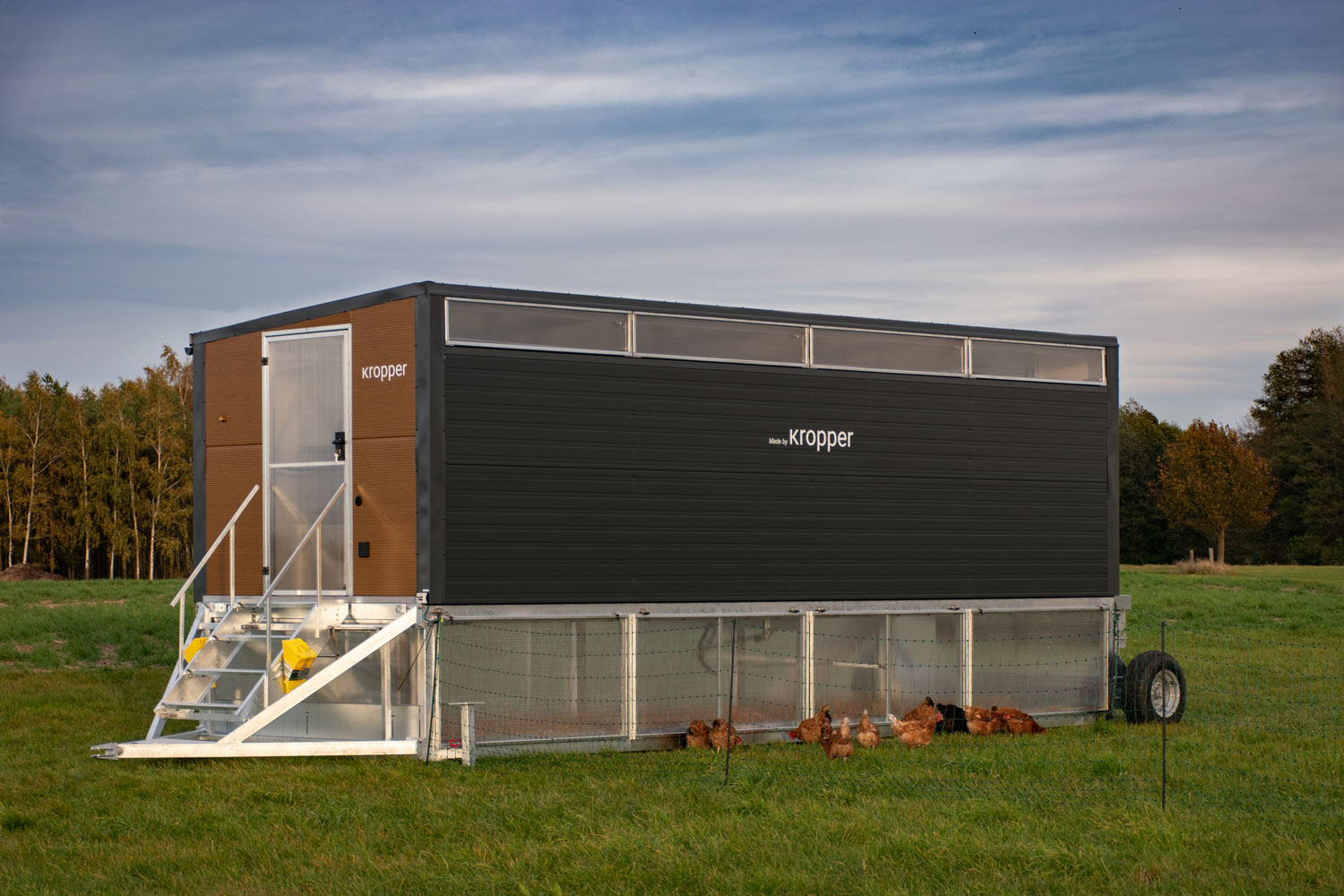
A mobile chicken coop is a fully equipped coop that is designed so that you can change its location at regular intervals.

The mobile chicken coop was built with the welfare of the animals kept there in mind. Compared to traditional poultry houses in the form of free-standing buildings, mobile houses offer the farmer much more room to manoeuvre. They are built to be easy to clean and disinfect, yet friendly and completely safe for the chickens. It is the ideal space to protect the chickens from fluctuating temperatures while allowing the birds access to fresh air, water, and feed.

In addition, the mobile poultry house makes it possible to expand production while moving the chickens off the property. For example, the chicken house can be located in a field where the grain has already been harvested, so that the chickens’ feed is enriched with food that they mainly procure themselves. After all, they still have grass and grain in the field near them. Importantly, when the chickens are in the field or meadow, they leave droppings on it, which is a really “nasty thing” on the farm, but very necessary in the meadow.

Nowadays there are various manufacturers of mobile poultry houses, whose concepts differ mainly in the type of power supply, the type of water connections and the degree of automation. The mobile poultry house from Poland by Kropper combines innovation with practicality and modern design. With a poultry house with or without an automatic feeding line, it adapts to the needs of every farmer.

What are the advantages of a a mobile chicken coop?

Mobile chicken coops are, as the name suggests, a combination of a traditional chicken coop and the ability to be mobile and, as we have seen, there is really a lot to gain from this.

Benefit 1: The meadow is protected and better fertilised.

Hens love green grass and like to pick up feed from the ground. But the longer and more intensive they work, the more sensitive the grass becomes. At some point, it can no longer regenerate and an area that’s left is no longer green.

With the mobile chicken coop, it is possible at any time to provide the chickens with another part of the meadow or field – this is done completely stress-free and without much effort. This gives the meadow enough time to regenerate.

Advantage 2: There is always greenery

By offering the hens a mobile hen house that is moved regularly, we give them access to fresh greenery. This is necessary to meet the hens’ nutritional needs.

In addition, high-quality feed increases the quality of the eggs and thus their sale.

Advantage 3: Low risk of parasites

Free-range chickens have access to the outdoors, but they stay in the same place all the time and can therefore quickly become infected with parasites. This happens through the droppings they produce, which accumulate very quickly and are ingested by the chickens as they forage on the ground.

However, if you change the location of the coop regularly, the soil recovers more quickly, which reduces the risk of parasite infestation. Parasites in chickens have a negative impact on laying performance.

As you can see, mobile chicken coops really do offer great options. They are suitable for both novice breeders and farmers looking for an idea for a profitable, thriving business. Professionally built chicken coops provide the animals with adequate protection, not only from predators, but also from the weather. Importantly, in some federal states a mobile chicken coop can be erected without a building permit, saving the time of obtaining a permit and money.
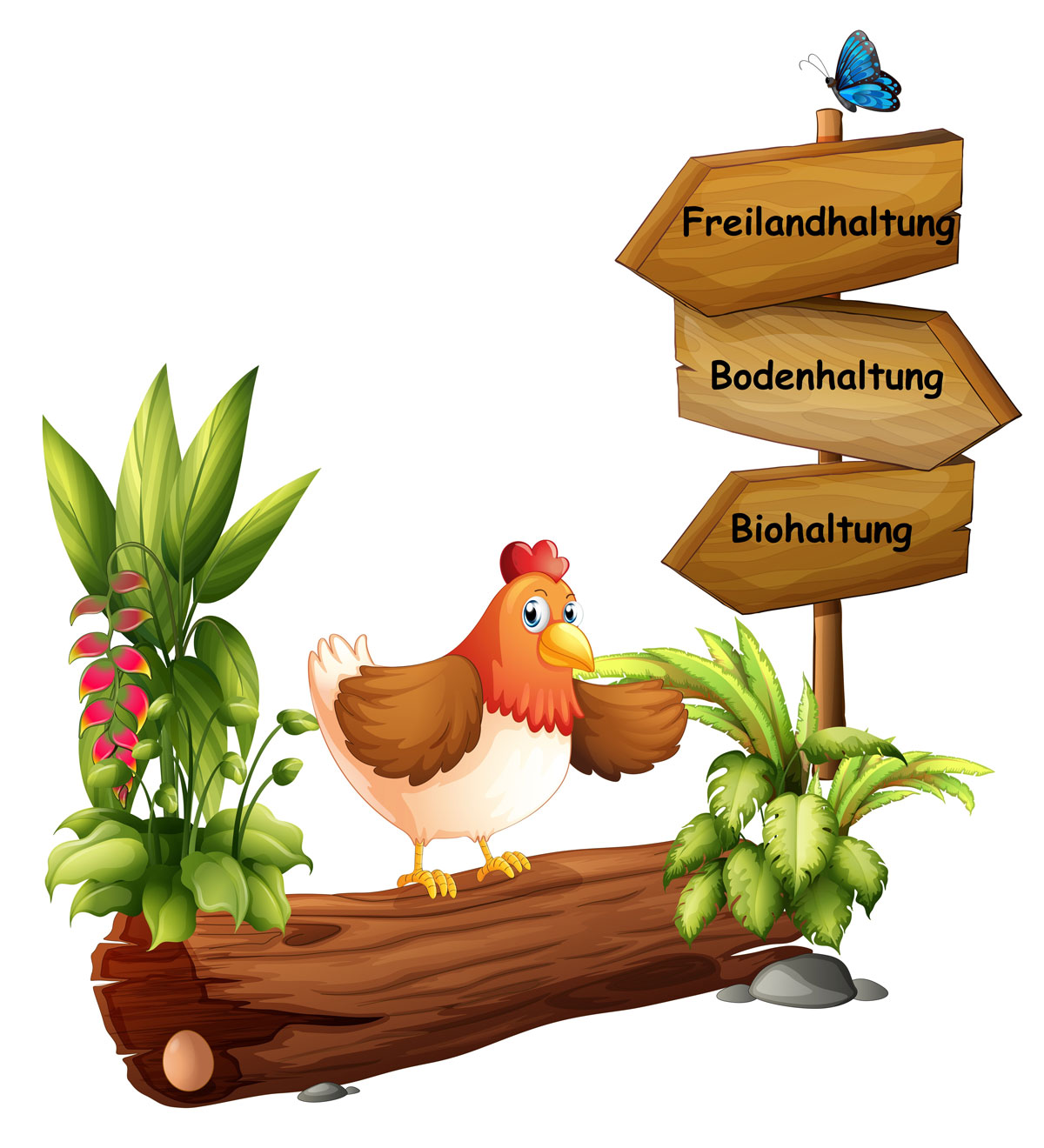
The way chickens are raised – it’s up to you what you choose.

As the world’s population continues to grow, so does the demand for protein, so we buy more and more eggs. Everyone knows they come from a hen, but not everyone is interested in the conditions under which the hens lay them.

Maybe you don’t want to buy the eggs, but sell them? You have probably asked yourself more than once which form of poultry farming is the best? After reading this post, you should no longer have any doubts!

Currently, 3 types of rearing are most popular on the market: barn, free-range and organic. Cage rearing will be completely banned soon (in Germany from 2025) due to the living conditions of the chickens.

Floor / barn husbandry:

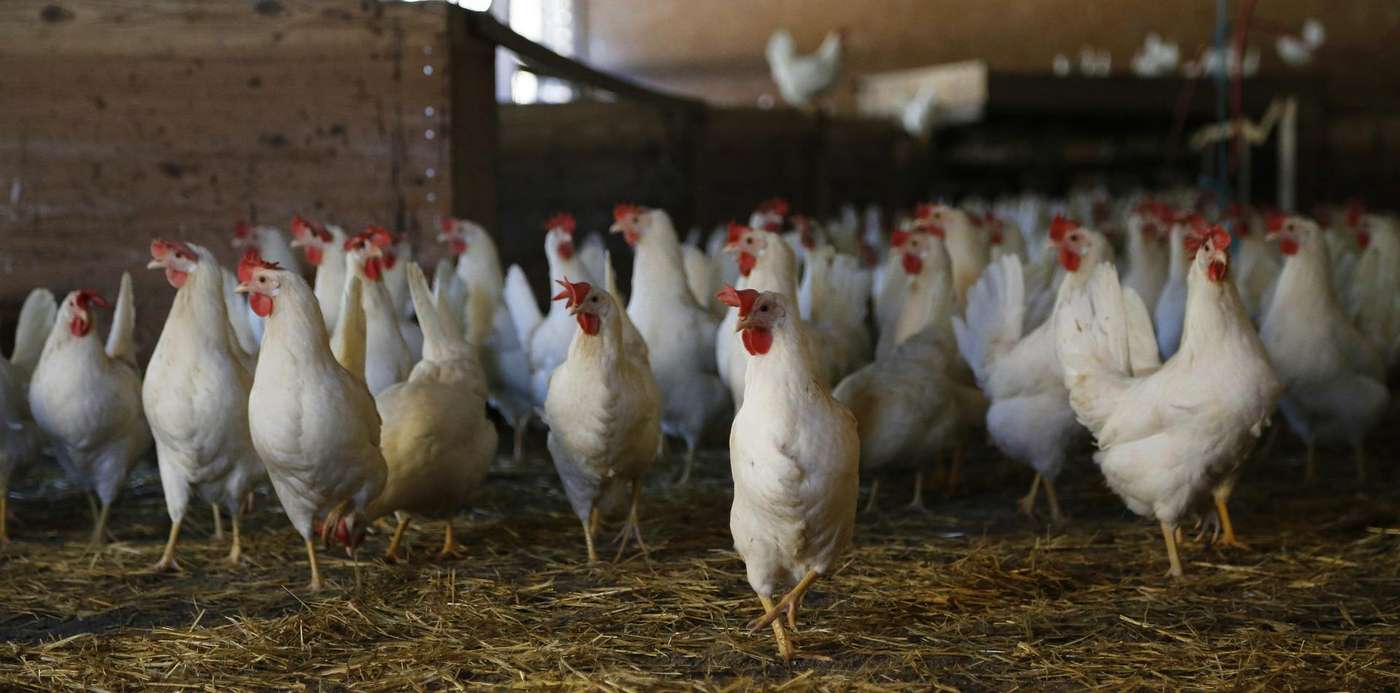
At first glance, floor housing sounds good. However, on closer inspection, you can realise that the chickens are not particularly well off in this type of housing. Although at least one third of the floor must be strewn with straw, sand or peat, the rest of the area consists of grids under which the droppings pits are located.

Moreover, such a henhouse can accommodate up to six thousand hens. Exactly nine hens can be kept in one square metre, but in a multi-storey poultry house up to 18 hens can be kept in one square metre. The chickens in such a coop can barely walk, bathe in sand and flap their wings.

Many animals quickly become stressed and overwhelmed living in such conditions and having to share space with so many other chickens, so they often pluck out the feathers of themselves or their conspecifics.

In addition, many bacteria can multiply in such conditions when so many chickens live side by side and produce large amounts of water vapour. Eggs from barn-raised chickens carry a “2” in the egg code.

Free-range

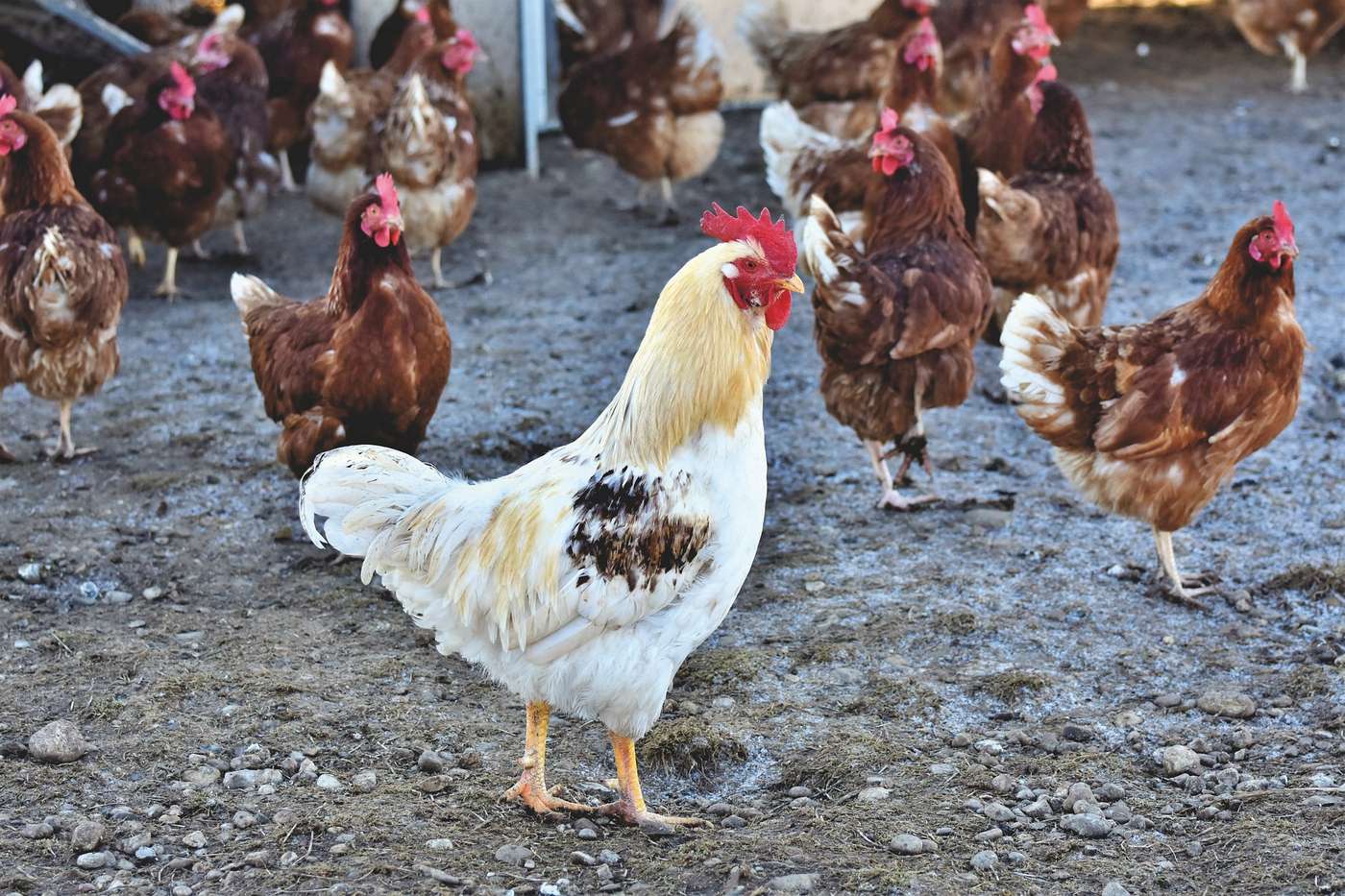
Free-range chickens live in an enclosed coop, like floor-raised chickens. However, there is a big difference between the two systems: free-range animals, as the name suggests, are allowed to leave the coop during the day and roam outdoors. They have a large meadow to themselves where they can move around freely. Each hen must have at least four square metres of outdoor space, which is significantly more than in a barn.

This outdoor space must be available to all hens for at least eight hours a day, regardless of the weather.

There are also situations when the hens are not allowed outside, and the authorities order them to be kept indoors. However, so that the animals can move around, such a poultry house has a “winter garden”. This room has daylight and is well ventilated. It takes up about half of the indoor area of the house. The code of the egg begins with a “1”, which indicates free-range husbandry.

Organic farming

Organic rearing is primarily characterised by its naturalness. The chickens eat only organic feed and are treated only with natural and homeopathic medicines in case of illness. Hormones and antibiotics are prohibited in this type of breeding. Compared to floor and free-range farming, the available space is even larger, as no more than six hens per square metre can be kept in a poultry house.

The chicken flock is therefore smaller than in other types of husbandry and can number up to 3,000 birds. The perches are slightly longer – each hen should have 18 cm of space for itself. As with free-range husbandry, there is also a large outdoor area in organic husbandry. In at least four square metres, each hen can peck and forage for food without worry.

The producer code on the egg bears a “0” right at the beginning.

As you can see, organic and free-range farming differ in the way they are fed and the restriction of antibiotics. Also, in both cases, the hens have access to a large outdoor area.

Floor keeping is indeed the most productive because such a quantity of hens really “produces” a lot of eggs – but is it all about quantity?  Don’t forget that an organic hen means not only better feed, but also better living conditions, which affect the taste of eggs and poultry meat. Organic eggs taste more aromatic. This is because the feed contains more plant-based ingredients. So, do we want chickens to be just machines that lay average eggs? Decide for yourself! 🙂

Hello, it’s us!

We are a small team of several people and our heads are full of innovative ideas that still allow us to improve our project! By visiting our website, you have probably noticed what it is! Yes – we produce mobile henhouses!

Aaah, we forgot to introduce the most important “person”.

This is our friend Frida who accompanies us every day. It is she who tests whether the solutions we use will certainly work.

As we have already mentioned, we build modern, functional and automated mobile houses for Frida and her friends!

We create each of them with great care and passion. We are constantly introducing some improvements so that the chickens live in the best possible way. Here is the effect of our work!

Yes? That’s great! We can exchange experiences, and by the way, you will see what we have managed to create.

No, but you’d like to take a closer look at this idea? Nothing easier than that!

Frida will be happy – she loves to pass her knowledge to others and … she is pretty good at it!

You will find out about it in our next posts!
Meanwhile, we invite you to our Facebook and Instagram.